
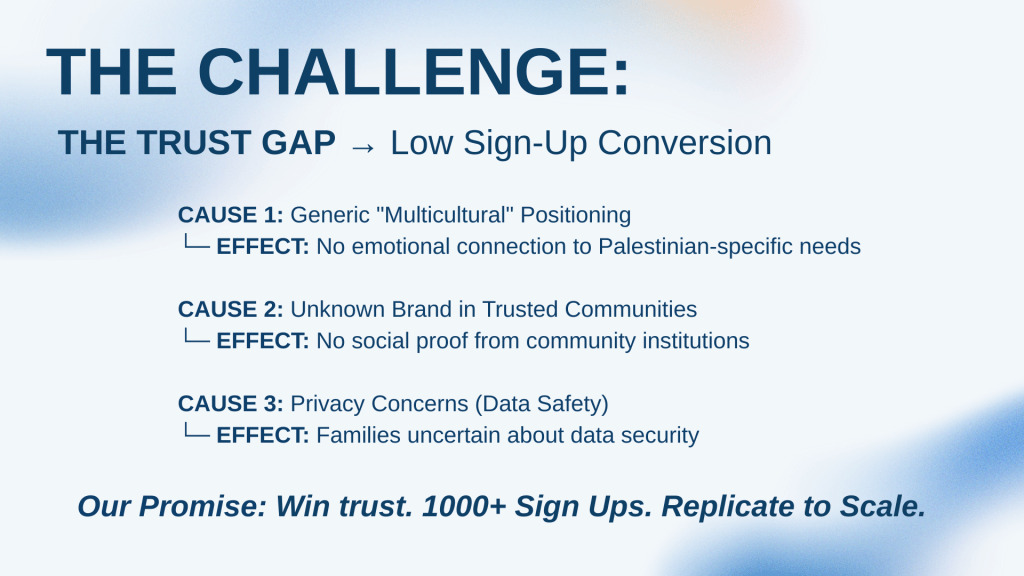
The Problem: A beautiful product for preserving family heritage was struggling to get traction. The founders asked: “Why aren’t people signing up?” The obvious answer was wrong. It wasn’t awareness. It was trust.
In diaspora communities, where families hold memories and identity as sacred, a new platform handling intimate stories isn’t a feature. It’s a leap of faith. The brand positioning (“multicultural genealogy AI”) didn’t help. It felt corporate and hollow.
The Insight: In high-trust communities, you can’t buy your way in with ads. You have to be vouched for. Trust is earned slowly, through endorsement, through community leaders, through proof that you understand what matters to them.
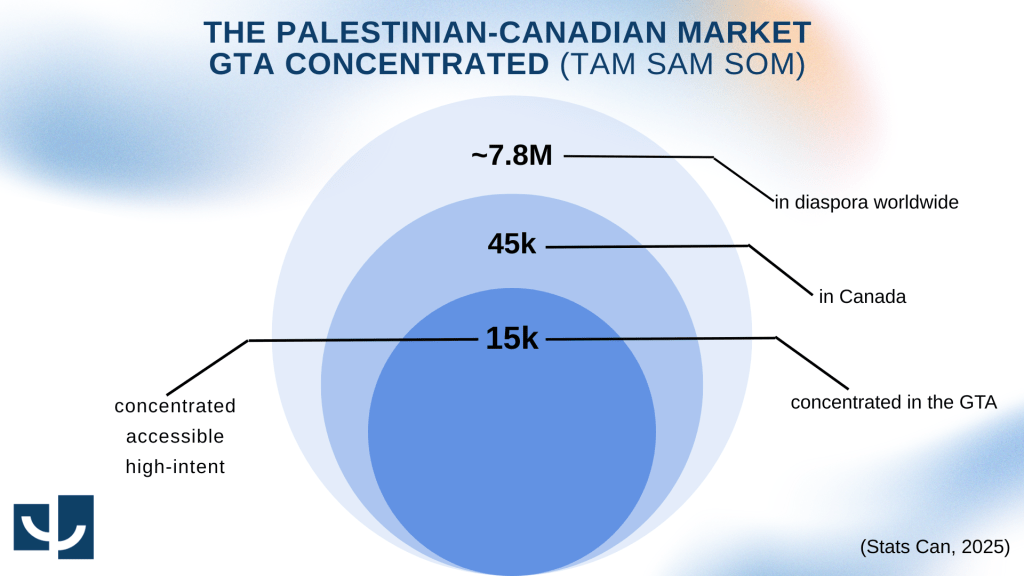
What I Did: We repositioned Kintrace from “AI genealogy tool” to “Cultural Caregiver”—a partner in preserving what matters most. The brand promise was simple: Every family’s story deserves to be preserved, protected, and passed down.
Then we built a community-first GTM playbook. Phase 1 was trust seeding—workshops with heritage organizations, testimonials from community elders, content that celebrated family stories instead of selling features. Phase 2 was participation—challenges, co-creation, early-access programs that invited people in. Phase 3 was conversion—referral loops and word-of-mouth that would compound naturally.
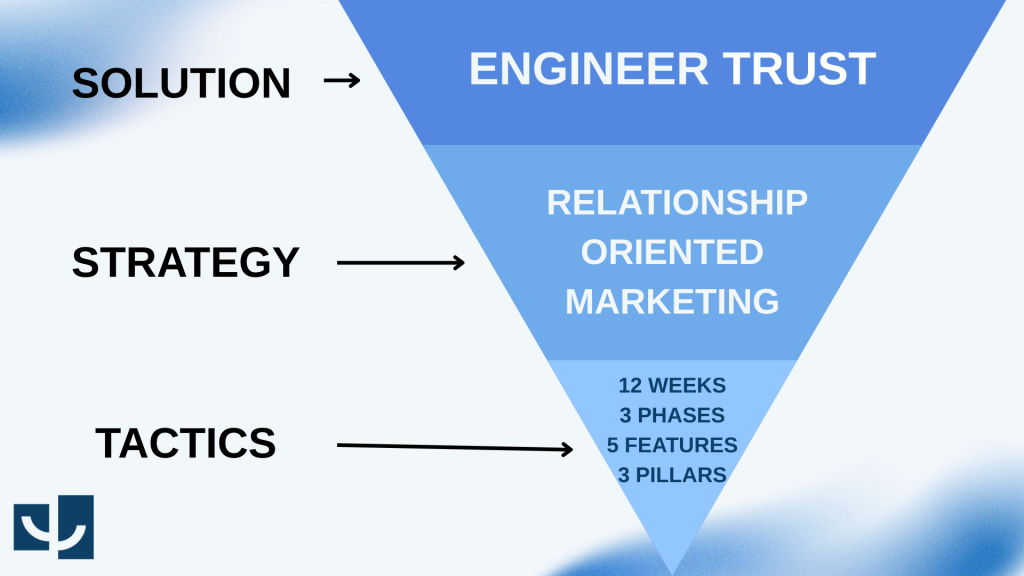
We designed everything—copy, visuals, partnerships, even the onboarding—to signal respect. Voice notes for elders who weren’t comfortable with text. WhatsApp integration because that’s where diaspora families actually communicate. Stories told by families, not the company.
Why It Mattered: This shows how brand and growth aren’t separate. Brand is the growth engine when you’re operating in trust-sensitive markets. It also shows how to be culturally intelligent without being performative. Real respect compound. Real trust scales.
 brandylaurent.com