
The Problem: IIAL had a strong mission but a fuzzy market presence. Words like “innovation” and “sustainability” are everywhere—they’re almost meaningless without grounding. When professionals, institutions, and global learners visited the site, they saw scattered messaging, inconsistent visuals, and language that felt more aspirational than actionable. Was this a research institute? A certification body? A consulting firm? The brand didn’t answer the question.
The challenge wasn’t building something new—it was translating what already existed into a language the market could understand and trust.
The Insight: Abstract positioning is the enemy of growth. Buyers—whether they’re individual professionals or institutional partners—need to see themselves in the brand. They need proof that you understand their problem and can deliver results. “Innovation” doesn’t do that. Applying innovation with integrity does.
What I Did: I anchored everything to a single principle: “Applied innovation with integrity.” This became the north star. Not “we innovate”—we help you apply innovation in your context, ethically and measurably.
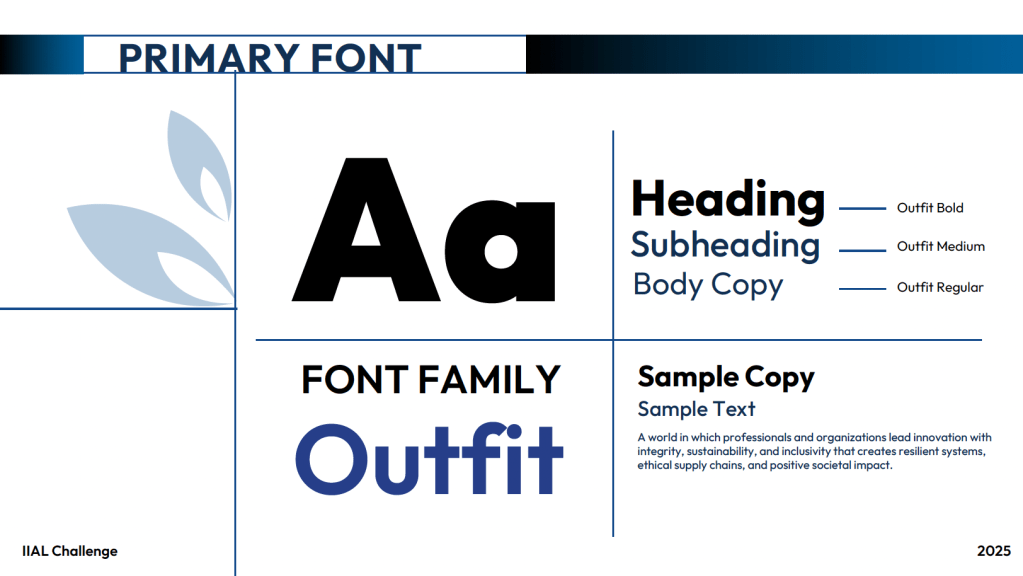
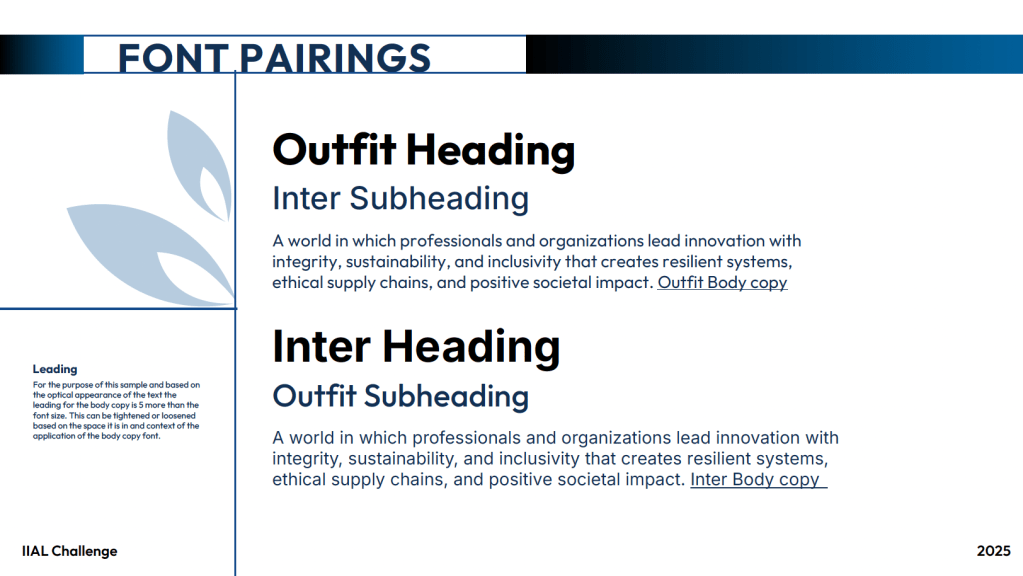
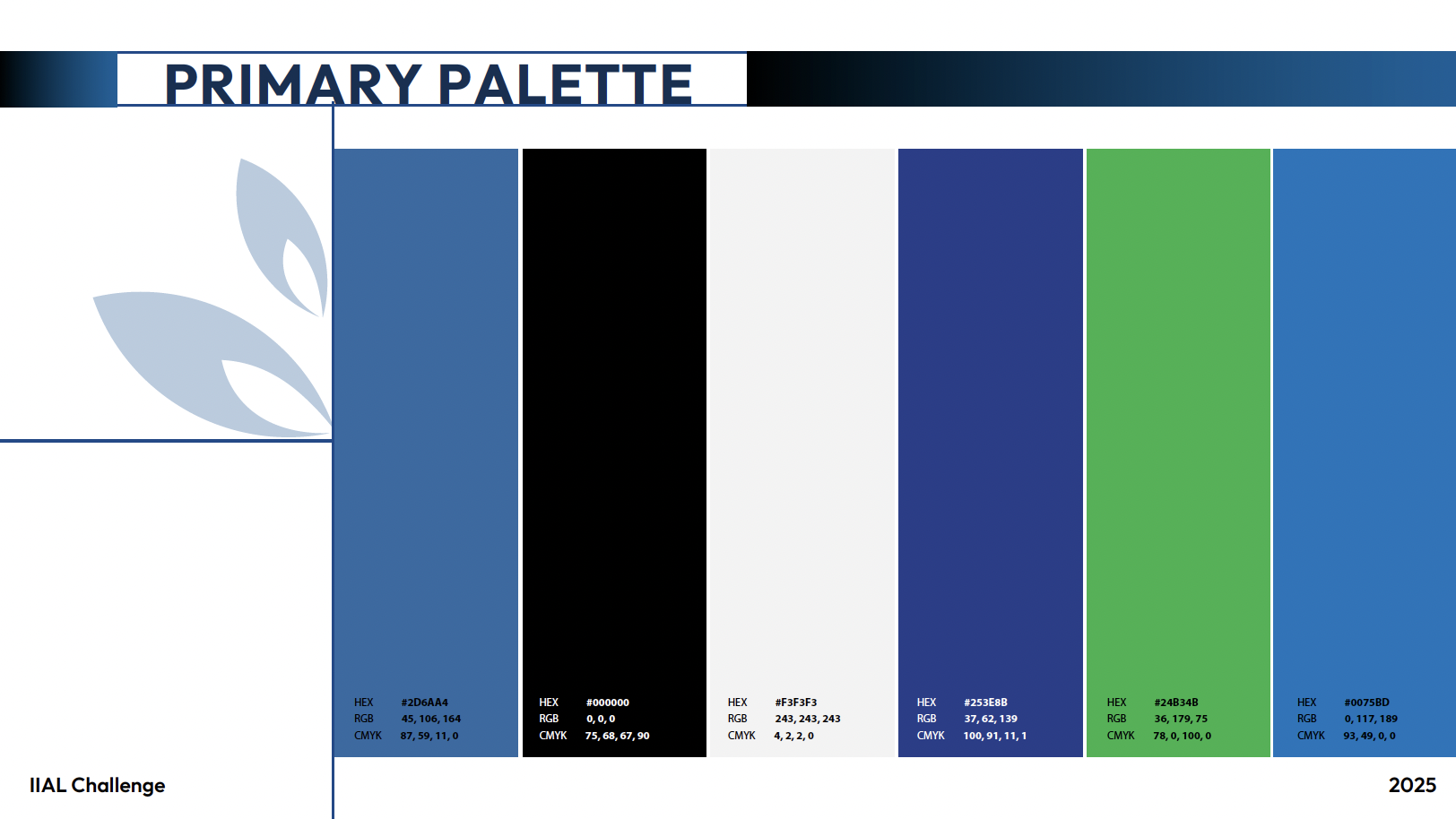
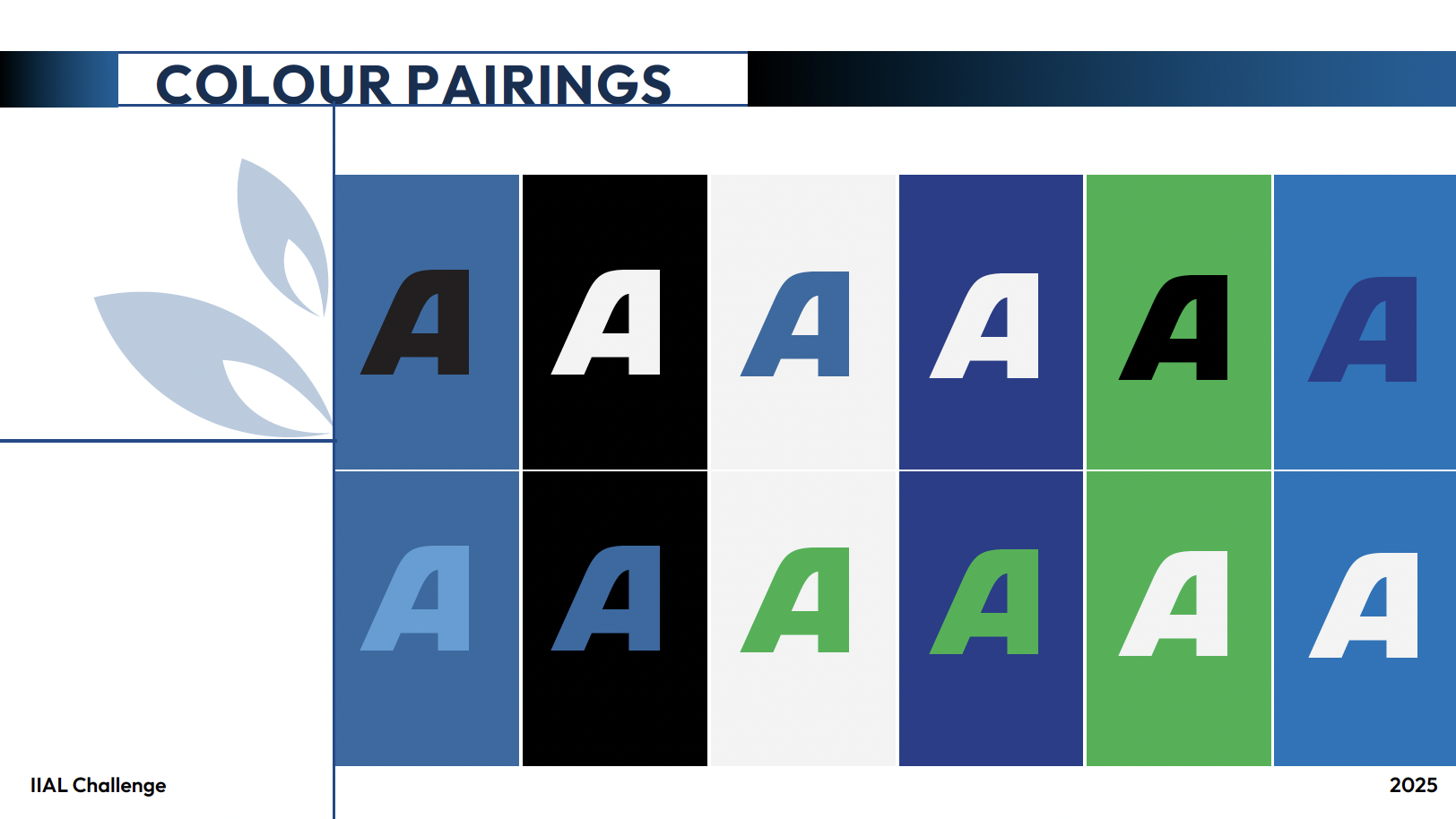
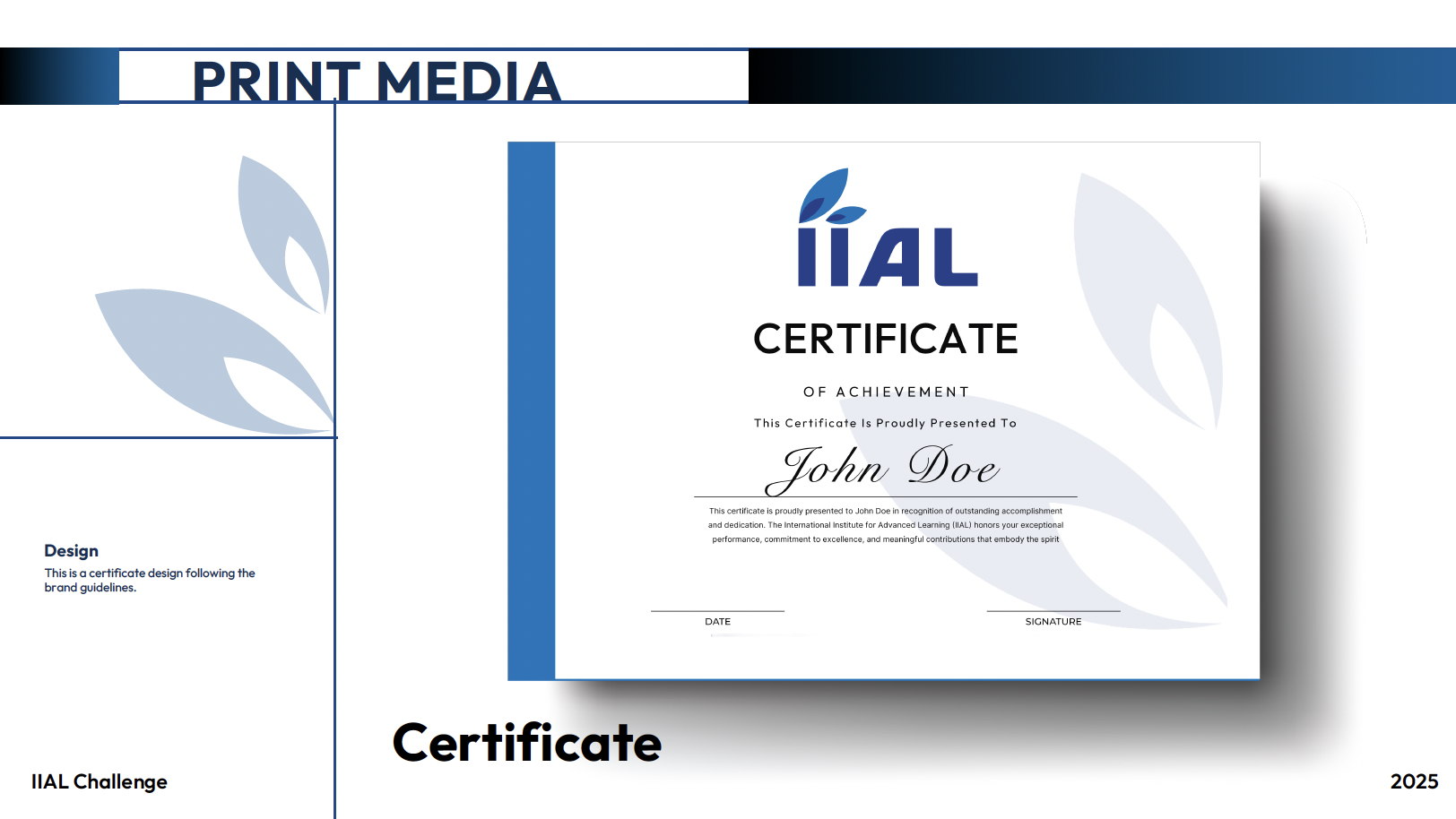
From there, the brand system unfolded. Visually, I paired trust (deep blues, institutional authority) with growth (purposeful greens) and paired modern typography with professional credibility. Every color choice and typeface reinforced the positioning: sophisticated but accessible, grounded but forward-thinking.
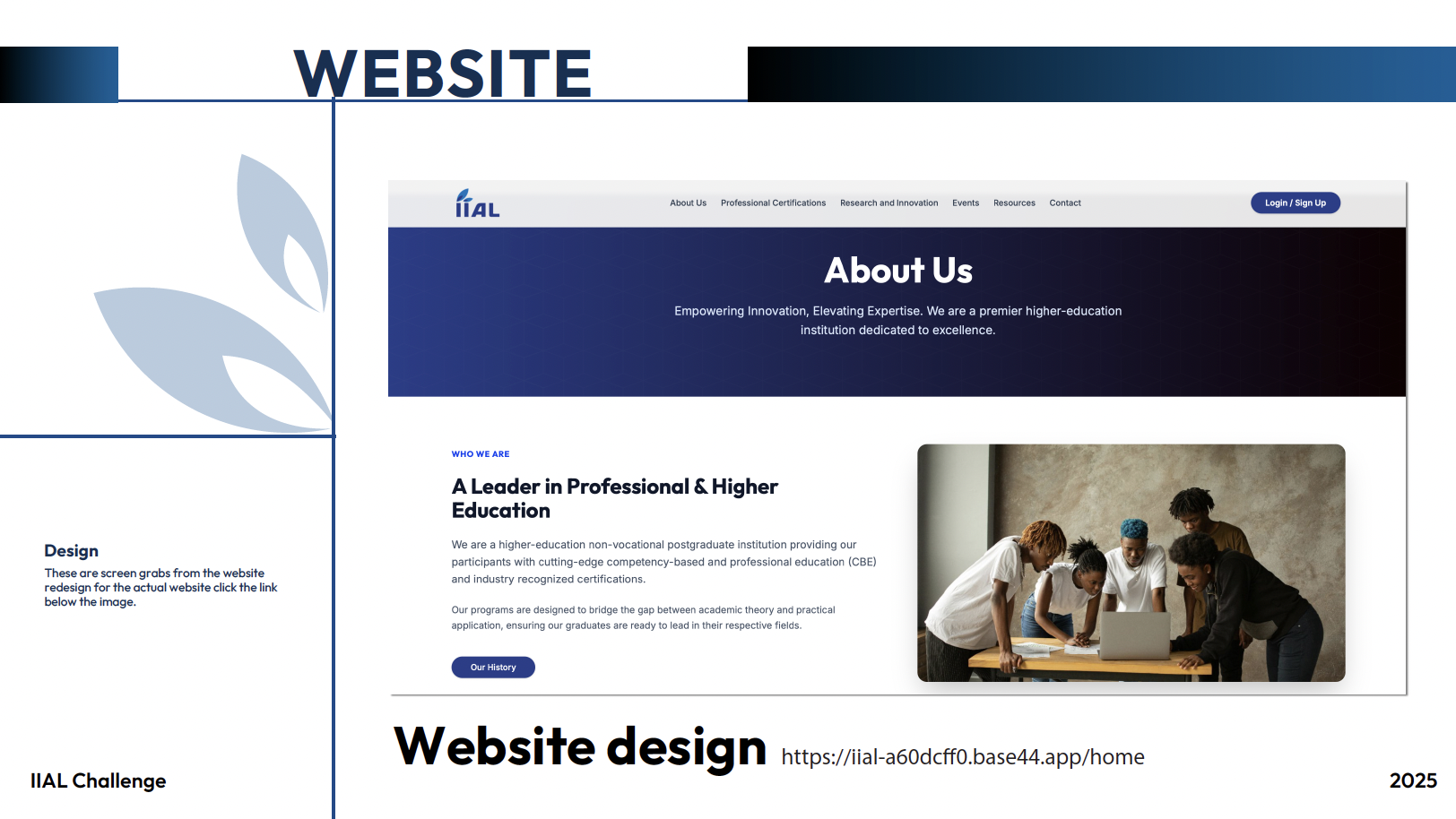
For the website, I reframed the architecture around user jobs, not institutional silos. A professional exploring certifications had a different path than an institution evaluating partnerships, but both journeys moved them from “what is this?” to “I want to engage.” Modular page layouts meant the site could grow—new certifications, new partnerships—without losing coherence.
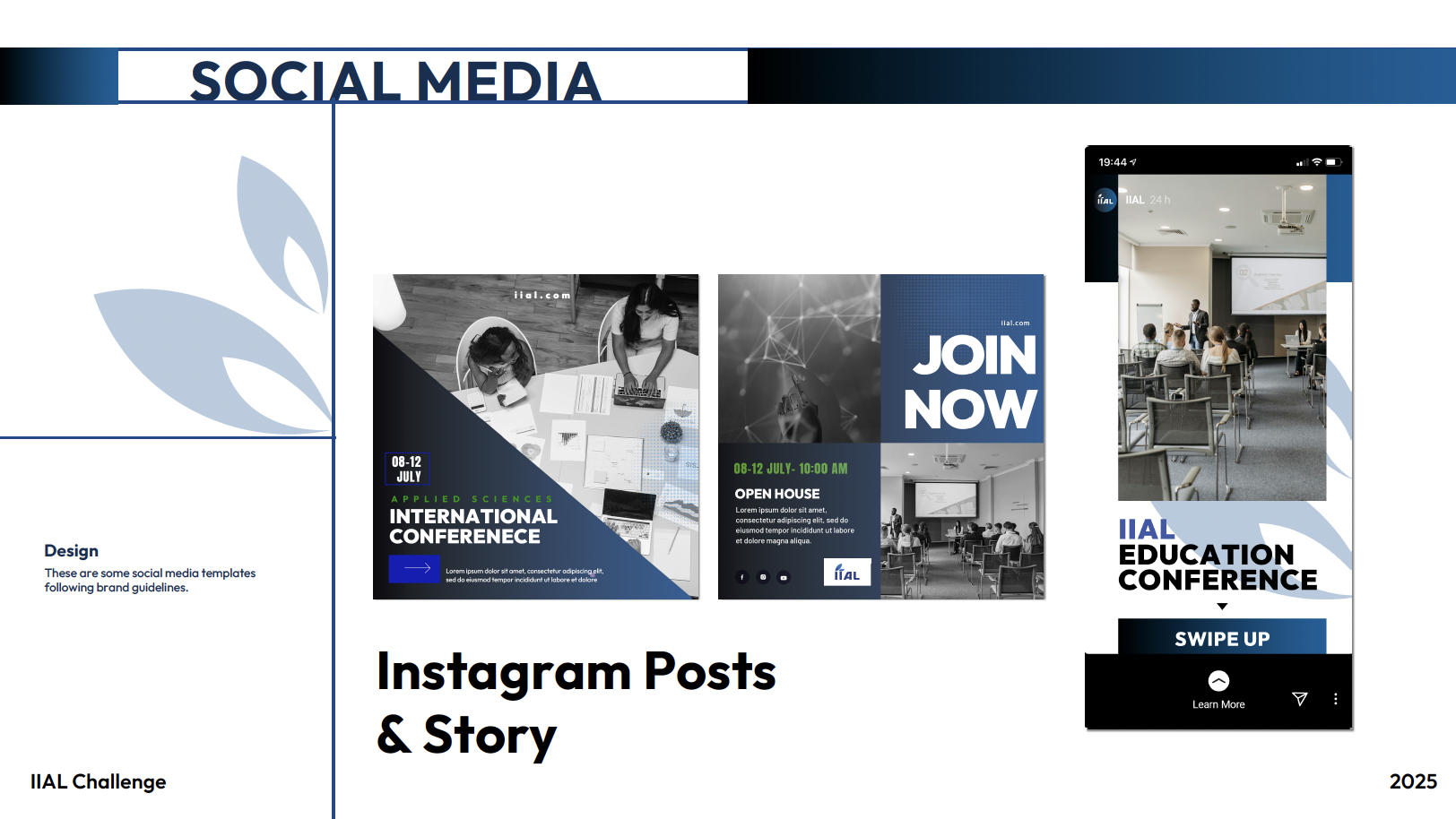
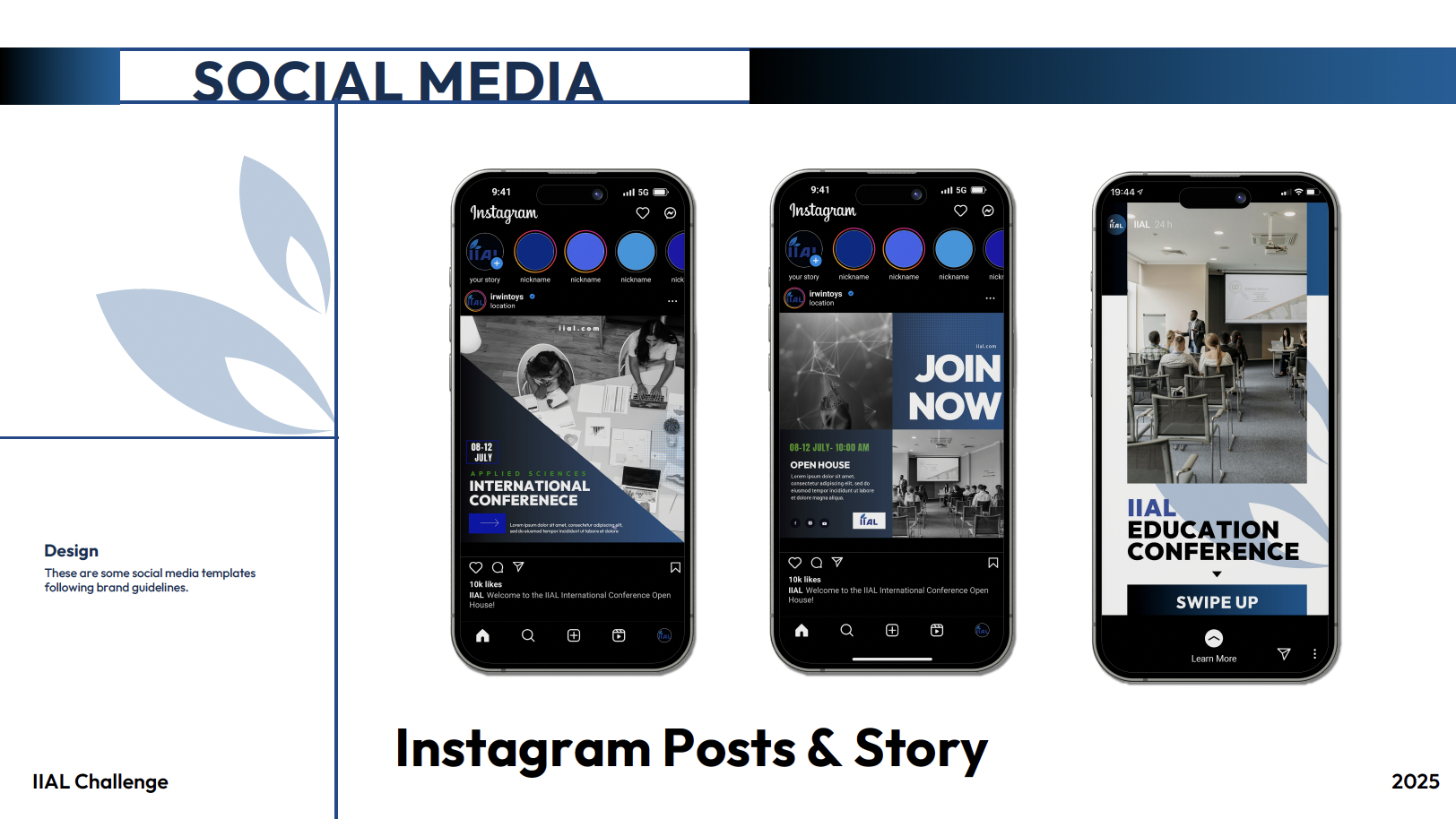
For marketing assets, I insisted on real-world imagery. No generic stock photos of people in green fields. Instead, professionals in their actual contexts, applying learning, solving problems. This made the brand promise tangible instead of abstract.
Why It Mattered: This shows how to make institutional strategy actionable through brand. It shows that consistency across visuals, copy, and UX compounds credibility. Most importantly, it shows that the best brands don’t just look good—they translate complexity into clarity, making it easy for people to see themselves in your story and take the next step.
 brandylaurent.com